
Meat Pies – A Savoury British Food Classic
When it comes to traditional British comfort food, meat pies play a starring role. With flaky pastry encasing rich, hearty fillings, they’re a staple in UK bakeries, pubs and home kitchens. Whether enjoyed piping hot with gravy or cold as a snack, these pies are deeply embedded in the UK culinary tradition.
What is a Meat Pies?
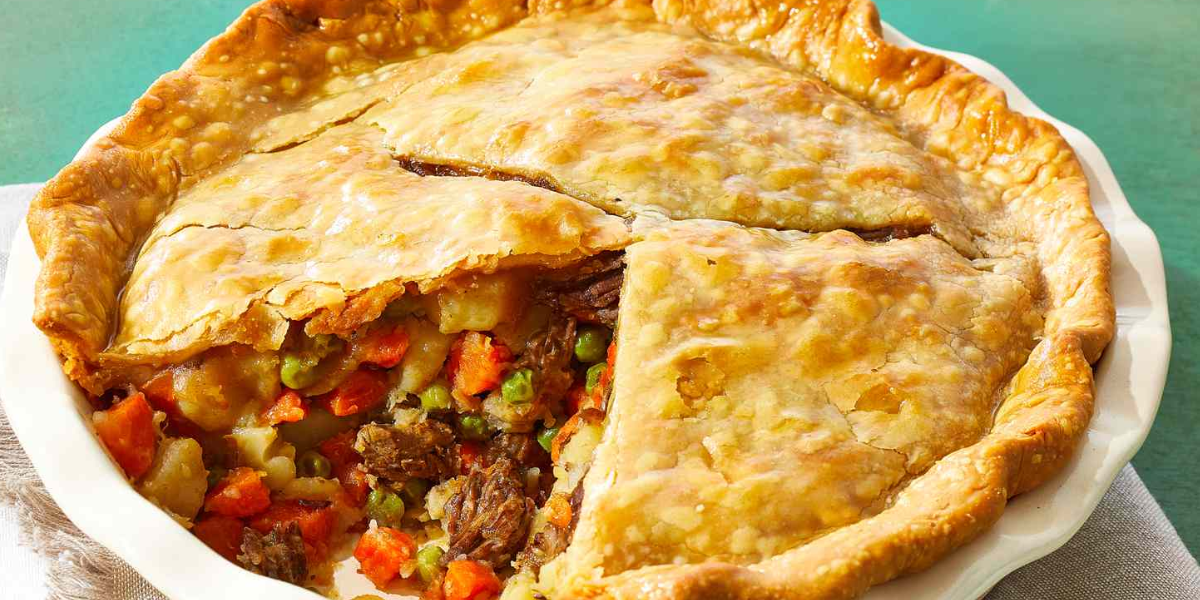
A meat pie is essentially a pastry case filled with cooked meat (and often vegetables and gravy) then baked. The pastry‑to‑filling ratio, choice of meat, seasoning and accompaniments all vary across types and regions.

Key Categories of Meat Pies
Based on the subcategories listed in Wikimedia Commons for “Meat pies” Wikimedia Commons here is a detailed list of major categories you’ll find across the UK and beyond:
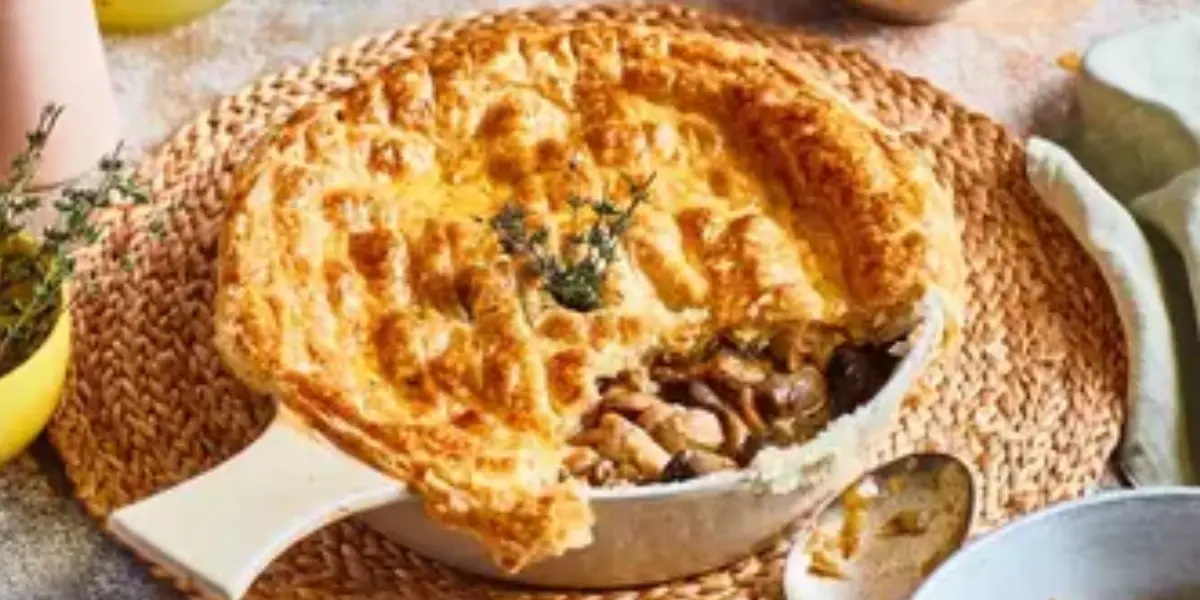
- Chicken and Mushroom Pies – Classic combination of chicken in a creamy mushroom sauce with pastry top and base.
- Chicken Pies – Broader category: pies filled with chicken (alone or combined with other ingredients).
- Meat Combination Pies (UK) – Pies that combine more than one kind of meat (e.g., beef & pork).
- Coulibiac – A Russian/European‑style pie traditionally filled with fish, rice & mushrooms, but also found with meat.
- Jinyun Shaobing – A regional Chinese pastry style sometimes filled with meat‑pie style fillings.
- Kibinai – A traditional meat‑filled pastry from Lithuania, usually lamb or mutton.
- Kubdari – A Georgian meat pie (usually beef or pork) with spices.
- Kurnik (pie) – A large Russian festive meat pie (chicken, turkey, or mixed meats).
- Lihapiirakka – A Finnish savoury pastry (often minced meat) popular as a quick pie.
- Mince Pies – While in the UK “mince pies” traditionally refer to sweet mince‑fruit pies at Christmas, the category here also includes savoury minced‑meat pies.
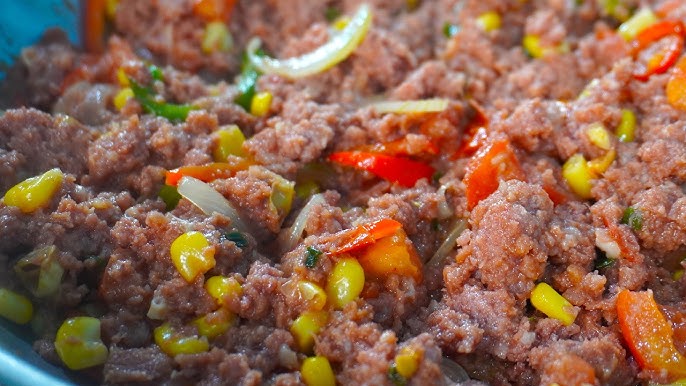
- Minced Meat Pies – Pies specifically filled with minced (ground) meat, vegetables and gravy.
- Pastel de Choclo – A Chilean corn‑and‑meat pie (included under “meat pies” category).
- Pastilla – A North African pastry pie often filled with pigeon or chicken and spices.
- Pie and Mash – British classic: meat pie served with mashed potato (often “pie & mash” shops in London).
- Pigeon Pies – Pies specifically using pigeon meat (a traditional game‑meat pie).
- Pork Pie – Cold or hot pork‑filled pie (UK favourite: e.g., the famous Melton Mowbray pork pie).
- Sausage Rolls – Although technically more roll than pie, they fall under savoury meat‑pastry category.
- Scotch Pie – Scottish specialty: small double‑crust mutton or lamb pie.
- Sha Phaley – A Tibetan meat‑filled pastry/pie (yak or mutton).
- Steak Pies – Pies filled primarily with beef steak (and often kidney or ale gravy).
- Tourtière – A French‑Canadian meat pie (often pork or mixed meat) but included under the broad “meat pies” category.
Why These Categories Matter for SEO
- They cover specific keywords like “pork pie”, “steak pie”, “pigeon pie”, “minced meat pie” that users search for.
- Using these categories as sub‑headings helps search engines understand your structure and topical relevance.
- Variants like “pie and mash” and “sausage rolls” broaden the reach to related savoury pastry searches in the UK.
- Linking to regional specialties (e.g., Scotch pie, Kibinai) gives depth, which search engines value for “authority” and “relevance”.
Serving & Context Tips
- Serving Hot: A steak pie with thick gravy is iconic in UK pubs.
- Serving Cold: Many pork pies are eaten cold, perfect for picnics or buffets.
- Side Dishes: Pies often pair with mashed potatoes, mushy peas, gravy, or salad.
- Regional Variants: In Scotland you’ll find Scotch pies; in London old‑school shops serving pie & mash; in rural UK game pies in country homes.
- Occasions: Everyday comfort, pub lunches, festive meals (game pies), or on the move (sausage roll style).
Final Thoughts
Meat pies are more than just a pastry. They’re a reflection of British cultural heritage, regional ingredients and savoury comfort food. By incorporating these detailed categories into your content, you’ll meet both search‑engine optimization best practices (via rich keyword coverage) and real user interest (via variety and depth).