
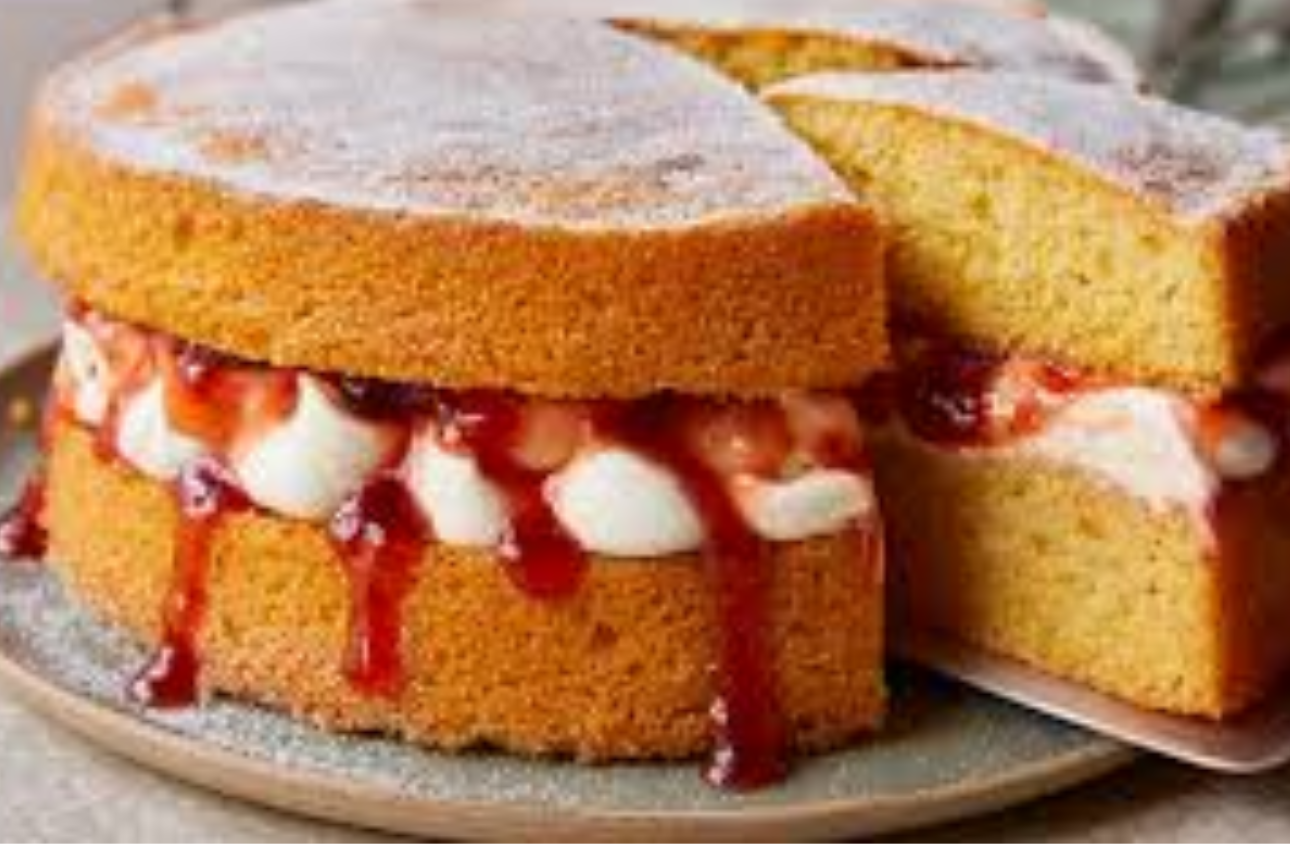
Mary Berry Classic Victoria Sponge is one of the most iconic British cakes—simple, elegant, and perfect for any home baker looking to master a timeless classic. This guide breaks down Mary Berry’s signature method, providing clear steps, practical tips, and pro-level upgrades so you can achieve a perfectly light, fluffy sponge every time. Whether you’re baking for afternoon tea or a special celebration, this recipe delivers consistent results with minimal fuss.
If you enjoy traditional bakes, you may also love exploring cake tips and kitchen guides available at Food Fables (http://www.foodfables.co.uk/), which provides inspiration for everyday home cooking.
⭐ Why This Victoria Sponge Recipe Works
Mary Berry’s approach focuses on equal ratios, gentle mixing, and ensuring each ingredient is at room temperature. This means the texture comes out light and airy, with a tender crumb that pairs beautifully with fresh cream and jam. The recipe is simple enough for beginners yet reliable for experienced bakers looking for consistency.
For additional authoritative guidance on sponge techniques, BBC Good Food also offers helpful cake-baking science and troubleshooting tips (external resource).
Ingredients (Serves 8–10)
- 225g unsalted butter (softened)
- 225g caster sugar
- 225g self-raising flour
- 4 large eggs
- 2 tsp baking powder
- 2 tbsp milk (if needed)
- Filling:
- 100g raspberry or strawberry jam
- 150ml double cream (whipped) or buttercream
Step-by-Step: Mary Berry Classic Victoria Sponge Method
1. Prepare Your Baking Tins
Preheat your oven to 180°C (160°C fan). Grease and line two 20cm (8-inch) round cake tins with parchment paper.
A properly prepared tin prevents sticking and ensures an even rise.
2. Mix the Batter
In a large mixing bowl, combine the softened butter, caster sugar, eggs, flour, and baking powder. Mary Berry recommends the all-in-one method—mix everything at once until just combined.
Avoid over-beating to prevent a dense texture. If the mixture seems thick, add 1–2 tablespoons of milk.
3. Bake the Sponges
Divide the mixture equally between the tins. Smooth the tops with a spatula.
Bake for 20–25 minutes or until the sponges are golden and spring back when gently pressed.
4. Cool Completely
Allow the cakes to cool in their tins for 5 minutes before turning out onto a wire rack.
Cooling fully ensures the filling won’t melt or slide.
5. Fill and Assemble
Spread the jam over the bottom layer. Add whipped cream or buttercream on top.
Place the second sponge gently over the filling. Dust lightly with icing sugar for a traditional finish.
Expert Tips for the Perfect Mary Berry Classic Victoria Sponge
✔ Use room-temperature ingredients
This helps everything blend smoothly and creates a lighter texture.
✔ Don’t open the oven early
Heat loss can cause the sponge to dip in the middle.
✔ Weigh your ingredients precisely
The Victoria Sponge relies on ratio accuracy for best results.
✔ Choose quality jam
The flavour of the filling dramatically influences the final taste.
You can find additional recipe inspiration and kitchen tips at Food Fables to help improve your home baking game: http://www.foodfables.co.uk/.
Serving Ideas
- Add fresh strawberries or raspberries for a summery twist.
- Replace jam with lemon curd for a tangy alternative.
- Serve with tea for an authentic British afternoon treat.
Storage & Make-Ahead Tips
- Store the assembled cake in an airtight container for up to 2 days.
- Freeze the unfilled sponges for up to 3 months.
- Fill just before serving for maximum freshness.
Conclusion
Mastering the Mary Berry Classic Victoria Sponge is a rewarding milestone for any home baker. This timeless cake is easy to prepare, deliciously light, and endlessly versatile. With a few simple ingredients and Mary Berry’s reliable method, you can create a bake that never fails to impress—perfect for birthdays, celebrations, or weekend teatime.
FAQs (People Also Ask)
1. What makes a Victoria Sponge light and fluffy?
Using room-temperature ingredients, not over-mixing the batter, and baking at the correct temperature ensures a light, delicate crumb.
2. Can I make a Victoria Sponge without self-raising flour?
Yes—substitute plain flour plus 2 teaspoons of baking powder for every 150g of flour.
3. Should I use whipped cream or buttercream in a Victoria Sponge?
Either works. Whipped cream creates a lighter, traditional filling, while buttercream is more stable for warmer weather or longer storage.