The Art of Making A Crispy Delight Aloo Paratha

Introduction

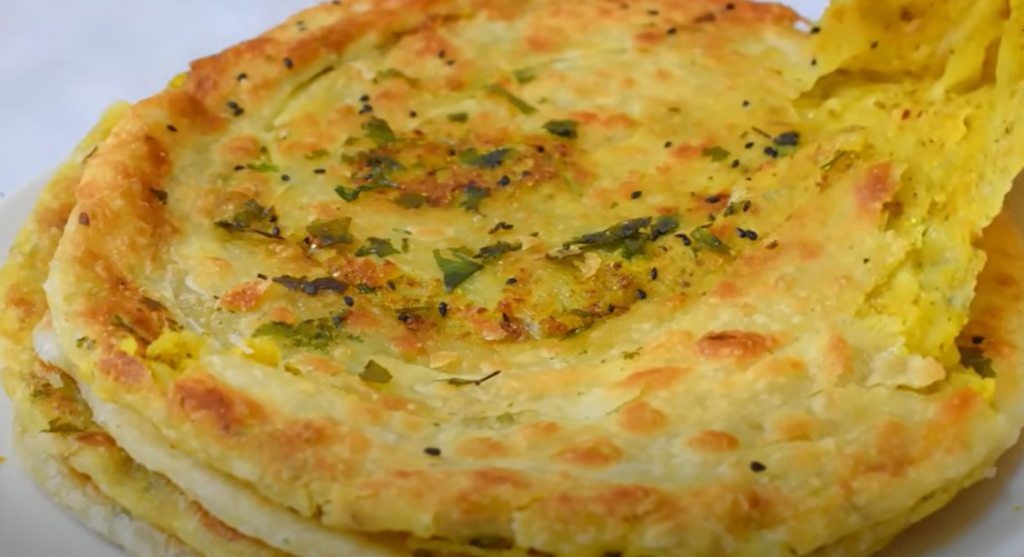
Aloo Paratha, a beloved Indian dish, is a delightful combination of crispy, buttery flatbread and spiced mashed potatoes. Prepared on a flat pan known as a tava, this culinary masterpiece can be enjoyed as a breakfast treat or a satisfying meal. In this detailed guide, we’ll explore the art of making Aloo Paratha from scratch, step by step, ensuring that every bite is a perfect blend of flavors and textures.
Ingredients for Aloo Paratha

To embark on this culinary journey, gather the following ingredients:

  • 370 g atta flour
  • 300 ml warm water
  • 1 tsp. salt
  • 600 g cooked potatoes, lightly mashed
  • 1 medium onion, finely chopped
  • 1 green finger chilli, finely chopped
  • 1/2 tsp. each turmeric, garlic powder, and chilli flakes
  • 3/4 tsp. black pepper
  • 1 tsp. salt
  • 1 tbsp. chopped coriander
  • 8 tbsp. butter or oil

Making the Paratha Dough

Step 1: Mixing the Dough

  1. Place atta flour, salt, and water in a mixer, combining them on a low setting until a soft, non-sticky dough forms.
  2. Set the mixer to medium and knead for five minutes.
  3. Allow the dough to rest for at least 20 minutes, making it easier to roll out.

Preparing the Potato Filling

Step 2: Creating the Filling

  1. In a bowl, combine mashed potatoes, finely chopped onion, green chilli, turmeric, garlic powder, chilli flakes, black pepper, salt, and chopped coriander.
  2. Mix the ingredients thoroughly using your hands and divide the filling into 8 balls.

Rolling and Stuffing the Paratha

Step 3: Shaping the Dough

  1. Divide the rested dough into 8 balls and cover them with a wet tea towel to prevent drying.

Step 4: Rolling and Stuffing

  1. Lightly dust the counter with flour.
  2. Roll out one ball of dough into a 15cm disc.
  3. Spread a teaspoon of butter or oil over the disc and place a potato filling ball on top.
  4. Gather the edges of the dough to fully cover the filling, twisting to seal it closed.

Step 5: Rolling Out

  1. Place the stuffed dough sealed side down on the counter.
  2. Pat it out gently with fingers, preventing filling escape.
  3. Roll out the dough to about 25cm using a rolling pin, ensuring specks of filling are visible.

Cooking the Aloo Paratha

Step 6: Pan Preparation

  1. Heat a pan to medium (a crepe pan can be a great alternative to a tava).
  2. Gently dust excess flour off the paratha and place it on the pan for 20-30 seconds.

Step 7: Initial Cooking

  1. Flip the paratha and spread a teaspoon of butter or oil.
  2. After 30 seconds, flip it again, buttering the other side.

Step 8: Final Cooking

  1. Allow the paratha to cook until small brown spots appear.
  2. Flip it for the final time, press gently with a spatula, and wait for brown spots to crisp up.

Step 9: Serving

Serve the Aloo Paratha immediately while it’s crisp and buttery, accompanied by refreshing raita and spicy chilli pickle.

Conclusion

Making Aloo Paratha is not just a culinary process; it’s an art form that combines skill and creativity. With these detailed steps, you can create a crispy, flavorful delight that will transport your taste buds to the streets of India. Enjoy the magic of Aloo Paratha and savor each moment as you master the art of its creation.

 

The Art of Crafting Perfect Pierogi Rusike

A Journey into Polish Comfort Cuisine

Introduction: Pierogi, the epitome of Polish comfort food, are delectable filled dumplings that invite you to embark on a culinary adventure. Much like their counterparts, ravioli, mantoo, or gyoza, these versatile morsels can be filled with an array of ingredients, ranging from savory minced meat to sweet jams. In this recipe, we delve into the world of pierogi ruskie, filled with a delightful combination of caramelized onions, potatoes, and a blend of cottage and cheddar cheese.


  1. The Heart of Pierogi: The Dough Creating the perfect pierogi begins with mastering the art of crafting the dough. This section guides you through the process, emphasizing the importance of allowing the dough to rest for enhanced texture and ease of handling.

Ingredients:

  • 230 g flour
  • 1 egg
  • 1/2 tbsp. oil
  • 1/2 tsp. salt
  • 75 ml warm water
  • 1 1/2 tbsp. salted butter

Directions: Step 1: Begin with the dough, combining the ingredients in a stand mixer. Refrigerate the dough, allowing it to rest for optimal results.

Step 2: A crucial step in pierogi preparation involves caramelizing onions, infusing a rich flavor that elevates the dish. Learn the art of achieving the perfect caramelization.

  1. Pierogi Ruskie Filling: A Symphony of Flavors The soul of any pierogi lies within its filling. Uncover the secrets to creating a tantalizing mixture of potatoes, cheeses, and caramelized onions, perfectly balanced for a taste of authentic pierogi ruskie.

Ingredients:

  • 90 g onion, diced
  • 100 g cooked potatoes, roughly mashed
  • 90 g cottage cheese
  • 15 g cheddar cheese, grated
  • 1/4 tsp. pepper
  • 1 tsp. oil
  • 1 tbsp. chopped chives

Directions: Step 3: Combine potatoes, cheeses, cooled onions, and pepper for a harmonious filling. Dive into the sensory experience of mixing these ingredients by hand.

III. Crafting the Perfect Pierogi: From Dough to Dumpling The crafting of pierogi involves a meticulous process, from rolling out the dough to sealing the edges with finesse. Learn how to assemble these delectable dumplings for a culinary masterpiece.

Directions: Step 4: Assembling the pierogi requires skill and precision. Uncover tips on rolling out the dough to the ideal thickness and creating perfectly sealed dumplings using a simple cookie cutter or glass.

Step 5: Boiling pierogi is the traditional method, and this section takes you through the process, ensuring your dumplings are cooked to perfection. Learn the art of identifying when pierogi are ready and the key to preventing sticking.

Step 6: For those who prefer a crispier texture, discover the alternative method of pan-frying pierogi. Explore the nuances of achieving a golden brown exterior while maintaining a tender interior.

  1. Serving Up Culinary Delight: A Feast for the Senses The final act of the pierogi journey involves serving up a visual and flavorful feast. From a shower of caramelized onions to a sprinkle of fresh chives, learn how to present your pierogi ruskie with flair.

Directions: Step 7: Discover the art of presentation as you pour remaining butter over the pierogi and garnish with chives and reserved caramelized onions. Dive into the sensory experience of savoring pierogi while they are hot.

Conclusion: Embark on a culinary journey through the creation of pierogi ruskie, where each step unveils the secrets to crafting the perfect Polish comfort food. Whether you savor the traditional boiled version or indulge in the crispiness of pan-fried pierogi, the art of making these dumplings is a testament to the rich tapestry of global cuisine. So, roll up your sleeves and immerse yourself in the delightful world of pierogi crafting.


The Culinary Symphony of Pani Puri

Exploring the Art of Crafting a South Asian Delicacy

Introduction

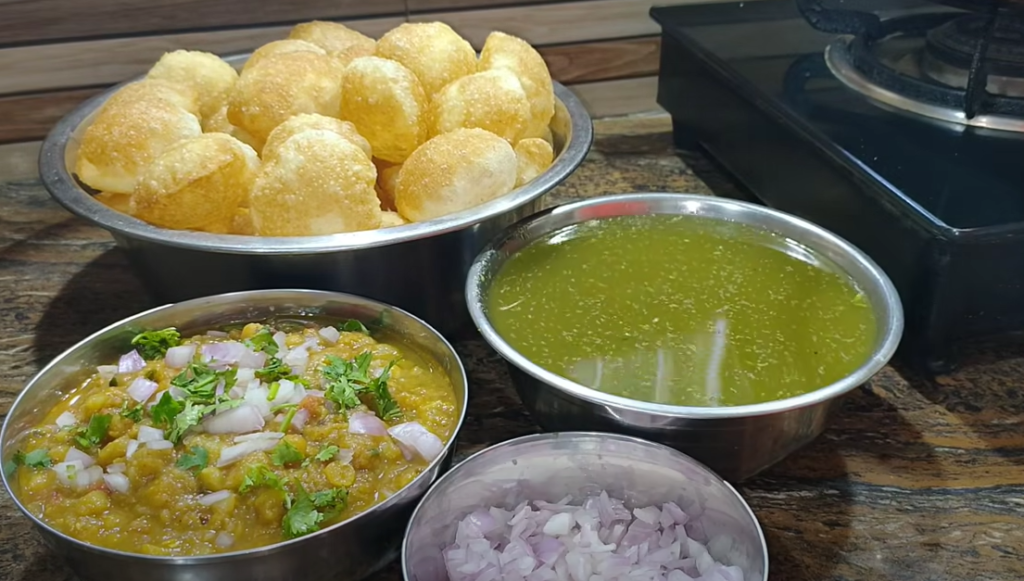
Pani puri, a beloved South Asian street food, goes by various names such as gol guppay or golgappa, captivating the taste buds with its crunchy semolina spheres filled with a delightful vegetarian stuffing and dipped in a tantalizing blend of tart, spicy, and sweet tamarind water. This culinary masterpiece, often enjoyed in servings of four or five, holds a special place in the hearts of street food enthusiasts, offering a sensory explosion that is both crispy and yielding, juicy and flavorful simultaneously.

The Unique Delight of Pani Puri

Delving into the essence of pani puri, the experience is nothing short of a flavor bomb. The semolina dough spheres, deep-fried to perfection, are meant to be devoured whole, creating a symphony of textures and tastes as they crunch open in the mouth. The secret to maintaining their crispy exterior lies in the last-minute addition of tamarind water, ensuring that the spheres don’t succumb to sogginess. This feature not only enhances the enjoyment on the bustling streets but also makes pani puri an excellent choice for serving at more refined gatherings, adding a playful touch to dinner parties.

Entertaining Preparation and Ready-to-Fry Puri

Embarking on the journey of crafting pani puri is an adventure in itself. While ready-to-fry puris are conveniently available at South Asian supermarkets or online, the process of making them from scratch is both entertaining and rewarding. The flat discs, when introduced to hot oil, exhibit a mesmerizing transformation. They rise to the surface, balloon up, and flip over autonomously, evolving into golden, hollow globes ready to embrace a filling of chickpeas and potatoes.

Title 1: Crafting the Tamarind Elixir

Ingredients for Tamarind Water

  • 20 g wet tamarind (or tamarind paste)
  • 200 ml hot water
  • 1/2 tsp. black salt
  • 1/2 tsp. red chili powder
  • 1/2 tsp. black pepper
  • 1/2 tsp. chaat masala
  • 1/2 tsp. cumin powder
  • 1/4 tsp. salt
  • 1 1/2 tsp. sugar

Step 1: The Tamarind Infusion

Commence the pani puri creation by crafting the essential tamarind water. Mix wet tamarind and hot water in a bowl, mashing them together. Allow the mixture to soak for an hour, letting the flavors meld and infuse into a rich, tangy elixir.

Title 2: Symphony of Fillings

Ingredients for Filling

  • 90 g canned chickpeas
  • 225 g ready-made mashed potato
  • 1/2 red onion, finely chopped
  • 1 green bullet or jalapeño chili, finely sliced
  • 1/4 tsp. black salt
  • 1/4 tsp. black pepper
  • 1/4 tsp. chaat masala
  • Chaat masala for sprinkling

Step 2: The Filling Ensemble

While the tamarind mixture soaks, orchestrate the filling by combining canned chickpeas, mashed potatoes, finely chopped red onions, sliced chili, black salt, black pepper, and chaat masala. This tantalizing mixture awaits its role in enhancing the pani puri experience.

Title 3: The Magical Transformation in Hot Oil

Step 3: The Puri Ballet

Transitioning to the next act, fill a deep pan with oil for deep frying, heating it over medium heat until the oil reaches the desired temperature. Introduce four to five puris into the pan, witnessing their captivating rise to the surface and ballooning up, resembling miniature golden orbs just smaller than a golf ball. After a mere 40 seconds, execute a swift flip and removal, ensuring they retain their perfect golden hue, placing them on a cooling rack to drain.

Title 4: Completing the Tamarind Symphony

Step 4: The Tamarind Water Finale

The tamarind water takes center stage as the soaked mixture undergoes a sieve performance into a jug. Squeeze out any remaining seeds or tamarind chunks, extracting every last drop of juice. Discard the used tamarind and add sugar, salt, and spices to the sieved tamarind water, stirring until dissolved. The result is a harmonious blend of flavors ready to elevate the pani puri experience.

Title 5: The Culinary Presentation

Step 5: The Grand Finale

The final act involves the careful presentation of pani puri. Create a small hole in the top of each puri, gently widening it without causing any cracks. Fill each puri with the prepared mixture, sprinkle with a pinch of chaat masala, and just before serving, pour in the flavorful tamarind water. The culmination is an explosion of flavors in every wholehearted bite.

Conclusion

In conclusion, the journey through the world of pani puri is a culinary adventure, offering a rich tapestry of flavors, textures, and entertaining preparation techniques. Whether enjoyed on the vibrant streets of South Asia or meticulously crafted at home, pani puri transcends its street food origins, transforming into a symphony of taste that captivates and delights with each mouthful. So, immerse yourself in the art of crafting pani puri and savor the magic of this South Asian delicacy.

The Art of Crafting a Decadent Homemade Trifle

Homemade Trifle

The Art of Crafting a Decadent Homemade Trifle: A Journey Through Layers of Delight

Introduction: The Evolution of Trifle-Making

As a teenager, my trifle-making journey began with boxed trifle kits—a simple mix of custard, cream topping, and a packet of chocolate sprinkles. Over time, I’ve discovered that crafting a proper homemade trifle involves a bit more effort, but each stage is a delightful and achievable experience. Let’s explore the intricate layers that make up the perfect trifle.

Section 1: Deconstructing the Trifle

1.1 Understanding the Components

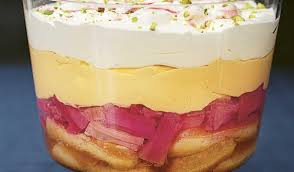
A trifle is a symphony of textures and flavors, consisting of syrup-soaked cake, juicily-ripe fruit, wobbly jelly, vanilla-scented custard, and dollops of whipped cream. Each component plays a crucial role in creating a harmonious dessert experience.

1.2 The Foundation: Sponge Fingers and Alternatives

The bottom layer of a trifle is typically made with sponge fingers or ladyfinger biscuits. These are often sandwiched together with jam and soaked in liqueur or fruit juice. Explore alternatives like Madeira cake, panettone, brioche, or slices of Swiss roll for unique variations in texture and taste.

Section 2: Fruitful Choices in Trifle-Making

2.1 The Fruit Medley

While summer fruits like strawberries and raspberries are traditional choices, the beauty of trifle lies in its versatility. Embrace creativity with fresh mango, blueberries, mandarin, pineapple, or passion fruit, either strewn over the sponge or used as a decorative topping for the final layer of cream.

2.2 Jelly or Not?

While not every trifle includes jelly, it adds a classic wobbly texture to the dessert. Learn the art of making your own jelly using gelatine leaves and fruit syrup or opt for ready-made jelly crystals. Pour it over the sponge base and witness the distinctive layers coming to life in a transparent trifle bowl.

Section 3: Custard – The Heart of the Trifle

3.1 The Perfect Custard

Powdered custard is ideal for trifles due to its thick texture that sets firmly. For a homemade touch, combine caster sugar, egg yolks, and cornflour, whisking them into a pan of vanilla-infused hot milk. Achieve a substantial consistency closer to crème patisserie, ensuring it forms a stable base for the layers above.

3.2 Custard Application and Cooling Techniques

After preparing the custard, spread it generously over the jelly and sponge finger layer. To prevent a skin from forming, cover the surface with cling film and chill it, allowing the custard to set and provide a luscious foundation for the trifle.

Section 4: Whipped Cream – The Fluffy Clouds on Top

4.1 Sweetening the Cream

The whipped cream is a crowning glory, sweetened with a touch of icing sugar. Whip it until it reaches the soft peak stage, creating a light and airy texture that complements the richness of the trifle.

4.2 Piling it High

Abundance is key when it comes to whipped cream. Pile it high on top of the set custard, allowing it to peek over the serving bowl’s edge, or consider piping it for a more sophisticated finish.

Section 5: Sprinkles and Toppings – Adding the Finishing Touch

5.1 Endless Possibilities

From shavings of milk chocolate and fresh raspberries to sour cherries, candied peel, crushed biscuits, and flaked almonds, the topping possibilities for your trifle are limitless. Explore different combinations to find your unique flavor profile.

5.2 The All-Time Favorite: Birthday Cake Sprinkles

In the realm of trifle toppings, multicolored birthday cake sprinkles hold a special place. Learn how to incorporate them into your trifle for a playful and visually appealing finish.

Conclusion: Crafting Your Masterpiece

In the art of trifle-making, every layer contributes to a decadent symphony of flavors and textures. From the foundation of sponge fingers to the airy whipped cream clouds on top, each step is a joyful endeavor. Embrace the creative freedom trifle-making offers, and soon, you’ll be crafting your own masterpiece—one layer at a time.

Exploring the Delightful World of Chana Chaat

The Irresistible World of Chana Chaat: A Culinary Journey through South Asian Flavors


Subtitle 1: A Symphony of Flavors in Every Bite

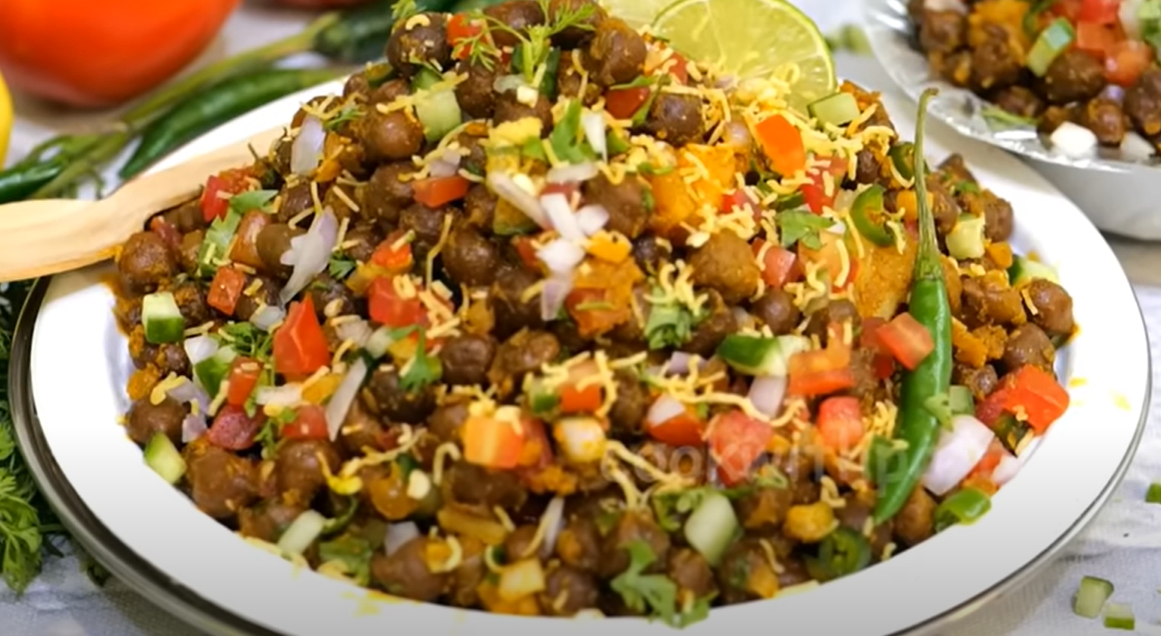
Chana chaat, a delightful South Asian chickpea salad, transcends cultural boundaries with its tangy, sweet, and spicy profile. Whether enjoyed in the bustling streets of Karachi or at intimate gatherings, this scrumptious vegetarian snack has a unique charm that captivates the taste buds. One key ingredient, chaat masala, plays a pivotal role in transforming this dish into a flavorful masterpiece.

Subtitle 2: Unraveling the Mystery of Chaat Masala

Chaat masala, a blend of ground chillies, black salt, and amchur (mango powder), introduces a mouth-puckering sour-savoury note and a distinctive eggy scent to the dish. Widely available in supermarkets, this seasoning has found its way into various culinary delights, from sprinkling over French fries and fruit salads to enhancing the flavor of yogurt dips. The secret behind the versatility of chana chaat lies in the magic of chaat masala.

Subtitle 3: Quick and Easy Chana Chaat Recipe

For those seeking a convenient yet delicious chana chaat experience, a canned chickpea and shop-bought tamarind sauce recipe is the answer. By utilizing these time-saving ingredients, the dish maintains its authenticity without compromising on taste. The inclusion of crunchy fried crackers, or papdi, adds a festival of texture to each mouthful, creating a symphony of flavors.

Subtitle 4: Personalizing Your Chana Chaat Experience

The beauty of chana chaat lies in its adaptability. Toppings can be customized to suit individual preferences, allowing for a personalized culinary adventure. Whether craving an extra kick of heat with more chaat masala and chillies, a creamier texture with a generous dollop of yogurt, or a crunchier experience with additional crispy bits, this recipe is a canvas for culinary creativity.

Title: Chana Chaat Recipe: A Gastronomic Symphony of South Asian Delights

Subtitle 1: Gather Your Ingredients

To embark on this flavorful journey, gather the following ingredients:

  • 2 x 400g canned chickpeas, drained
  • 2 tomatoes, finely chopped
  • 1 red onion, peeled and finely diced
  • 250 g boiled potatoes, chunkily chopped
  • 1 green chilli, chopped
  • 3 tbsp. chaat masala
  • 1/4 tsp. each black salt and sea salt
  • Juice of 1/2 lemon

For the toppings:

  • 4 tbsp. Greek yoghurt
  • 4 tbsp. tamarind sauce
  • 1 green chilli, thinly sliced
  • Chaat masala, for sprinkling
  • 1 tbsp. chopped fresh coriander
  • 40 g sev or papdi

Subtitle 2: Step-by-Step Guide to Chana Chaat Perfection

Step 1: A Flavorful Mix

In a bowl, combine all the ingredients, except the toppings, ensuring every chickpea is coated in the tantalizing blend of salt and spices. This sets the foundation for a mouthwatering chana chaat experience.

Step 2: Serving Sensation

To serve, either present the chana chaat in a communal sharing bowl or divide it into individual servings. Dollop Greek yogurt generously and drizzle the tamarind sauce over the mixture. Top with sliced green chillies, fresh coriander, and a pinch more chaat masala. For the grand finale, pile on the papadi or sev for an added crunch.

Subtitle 3: The Art of Topping Personalization

Chana chaat offers a playground for topping customization. Whether you prefer an explosion of heat, creaminess, or crunch, adjust the toppings accordingly. Let your culinary instincts guide you as you create a chana chaat masterpiece tailored to your taste buds.

In conclusion, the world of chana chaat is a celebration of flavors, textures, and culinary creativity. Whether experienced in the lively streets of Karachi or recreated in the comfort of your kitchen, this South Asian delight promises a gastronomic journey like no other.